
How to Thrive through Perimenopause
By Miranda Lohues, physiotherapist, pelvic health specialist
Menopause is a universal milestone, yet many women enter this phase with more questions than answers. Whether you are experiencing subtle changes in your 30s or navigating post-menopausal life in your 50s and beyond, understanding the physical and hormonal shifts taking place allows you to take control of your health, longevity, and overall well-being.
October 18th marks World Menopause Day– a dedicated time to break the stigma, highlight scientific insights, and empower women with practical solutions for every stage of reproductive aging.
Understanding the Stages: Perimenopause, Menopause, and Beyond
Reproductive aging isn’t an overnight light-switch moment; it is a multi-year continuum categorized by the Stages of Reproductive Aging Workshop (STRAW) system:
- Perimenopause: The transition period leading up to menopause, typically lasting anywhere from 2 to 10 years. Hormones begin to fluctuate wildly. Early perimenopause often presents as cycle irregularity, progressing to longer periods of amenorrhea (skipped periods). Sleep, energy, recovery, and athletic performance often take inconsistent hits. The average onset begins between ages 35 and 40. (Note: Black and Hispanic women statistically have a higher likelihood of experiencing early menopause and may encounter more intense symptoms).
- Menopause: A single point in time defined as the milestone reached when a woman has gone 12 consecutive months without a menstrual period (the Final Menstrual Period, or FMP). In Canada, the average age of menopause is 51, with most women reaching it
between ages 45 and 55. Menopausal symptoms can persist for 7 to 10 years following the FMP.
- Post-Menopause: The lifelong stage following menopause. During this phase, hormone levels remain low and relatively stable.
Behind the Scenes: What Is Happening to Your Hormones?
As ovarian follicles decrease, the production of key reproductive hormones drops, altering the hypothalamic-pituitary-ovarian (HPO) axis. The brain’s pituitary gland attempts to compensate by producing higher levels of Follicle-Stimulating Hormone (FSH)—which is why elevated FSH levels are often measured to determine staging. Here is how key hormones influence your body:
- Estrogen (Estradiol): Experiencing an overall decline, estrogen receptors exist throughout your entire body. Estrogen maintains vaginal blood flow and libido, supports insulin sensitivity, regulates muscle strength and fat oxidation, keeps ligaments pliable yet stable, protects heart and blood vessel health (reducing cardiovascular disease risk), and promotes bone-building osteoblast activity. In the brain, estrogen serves as a crucial neuromodulator for mood (serotonin, dopamine, norepinephrine) and body temperature control.
- Progesterone: Declines during perimenopause. Progesterone plays a critical role in calming the nervous system, supporting deep sleep quality, and maintaining stress tolerance.
- Cortisol: As estrogen and progesterone drop, the body becomes notably more sensitive to cortisol (the primary stress hormone). This can turn ordinary workouts into recovery challenges, increase fat storage, and disrupt sleep.
Recognizing Symptoms and Long-Term Health Impacts Common Symptoms
- Vasomotor Symptoms: Hot flashes affect up to 75% of women. Characterized by sudden intense heat across the face and chest, profuse sweating, rapid heart rate, and anxiety— frequently occurring at night due to rapid core temperature fluctuations and vasodilation.
- Musculoskeletal & Joint Pain: Women in this transition face a 1.35x greater risk of muscle and joint pain compared to pre-menopausal women. Reduced estrogen affects cartilage and connective tissues, leading to higher rates of shoulder and back pain.
- Cognitive Shift (“Brain Fog”): Challenges with word-finding, short-term memory lapses, and impaired problem-solving.
- Sleep Disturbances: Difficulty falling asleep, frequent night awakenings, and unrefreshing sleep.
- Pelvic & Urogenital Health: Reduced vaginal secretions, tissue thinning, and dehydration can lead to vulvovaginal atrophy, vaginal dryness, painful intercourse (dyspareunia), urinary frequency/pain (dysuria), uterine prolapse, and recurrent UTIs.
- Other Symptoms: Increased migraines, paresthesia (tingling or numbness in extremities), sarcopenia (loss of muscle mass), and lower libido.
Long-Term Risk Considerations
Declining hormone levels increase the long-term risk for:
- Osteoporosis (bone loss accelerates to 3–5% per year during menopause compared to 0.3%pre-menopause)
- Cardiovascular conditions (elevated blood pressure and hypercholesterolemia)
- Metabolic shifts (visceral fat storage, central obesity, and increased risk for Type 2 diabetes)
- Mood disorders (higher incidence of anxiety and depression)
Pelvic Health and Breathwork: Protecting Your Foundation
Genitourinary Syndrome of Menopause (GSM) encompasses both vaginal atrophy and urinary tract dysfunction. While local estrogen therapy (creams, rings, or tablets) or systemic Hormone
Replacement Therapy (HRT) can restore tissue moisture and blood flow, HRT does not cure urinary incontinence.
Urinary incontinence – whether stress incontinence (leakage during coughing, sneezing, jumping, or heavy lifting) or urge incontinence (a sudden, overwhelming need to urinate) – is common as connective tissue loses elasticity.
A 12-week pelvic floor muscle training program demonstrates significant benefits such as:
Strong positive effect on vaginal and genital discomfort
Moderate positive effect on sexual function, quality of life, urinary incontinence, and pelvic floor muscle function
Small positive effect on sleep quality
Core and Pelvic Breathwork:
The “Zipper” Technique To avoid increasing intra-abdominal pressure during exercise (which forces pressure down onto the
pelvic floor), practice breathing with movement rather than holding your breath (Valsalva maneuver):
Inhale: Relax and expand the belly and pelvic floor (undoing the zipper).
Exhale: Engage the pelvic floor and deep core on exertion, lifting upward from the anus to the belly button (doing up the zipper).
Movement and Training Guidelines
Exercise is one of the most effective non-pharmacological tools to manage menopausal symptoms, maintain lean muscle mass, and protect bone density.
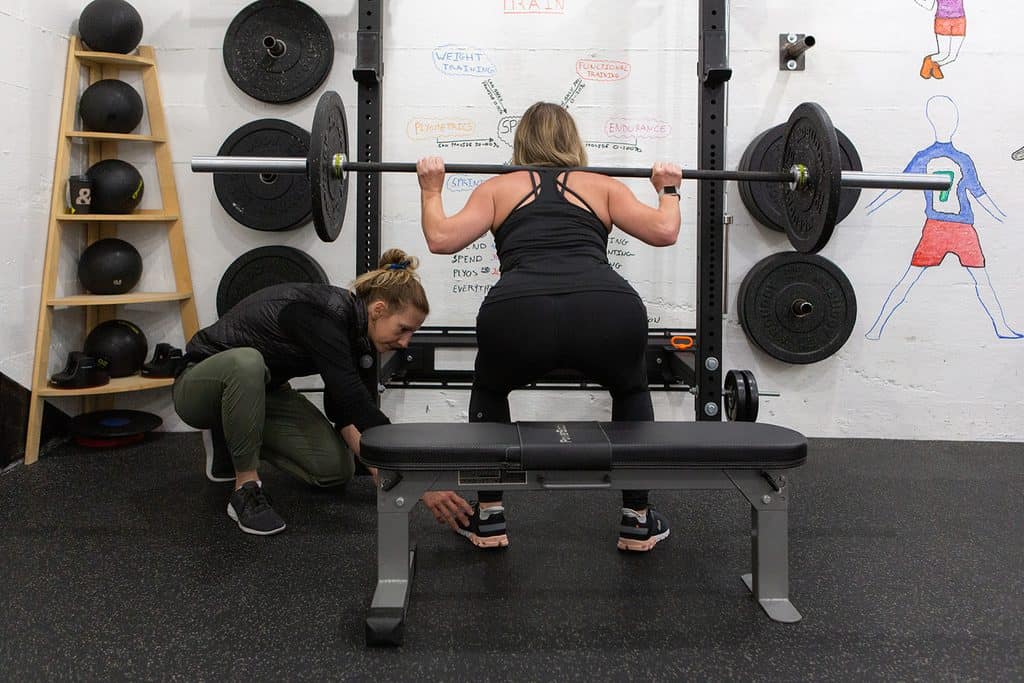
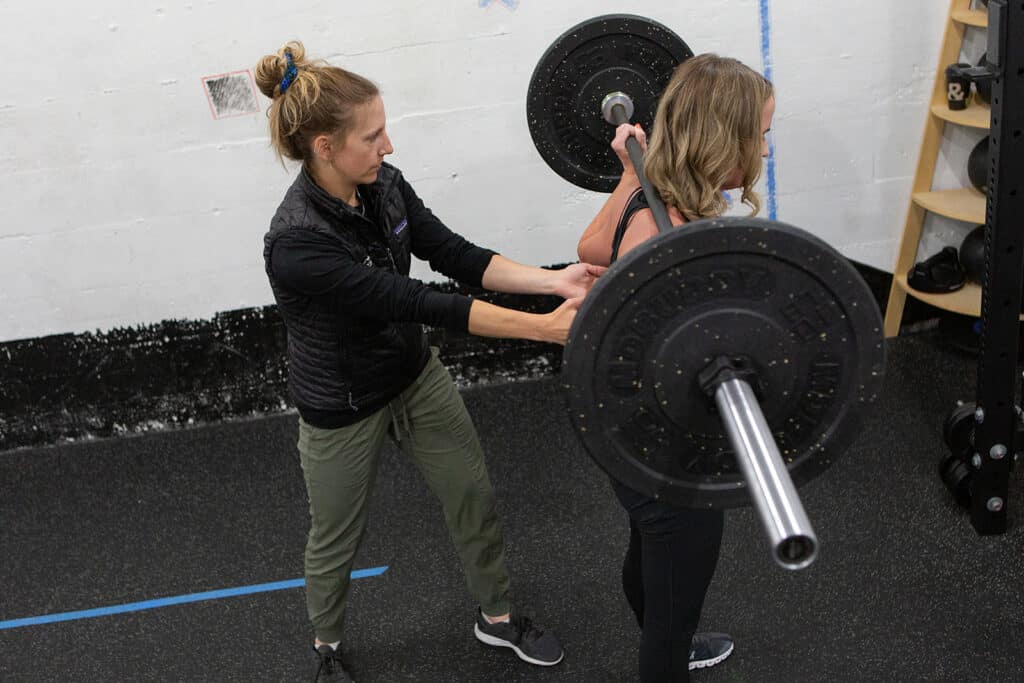
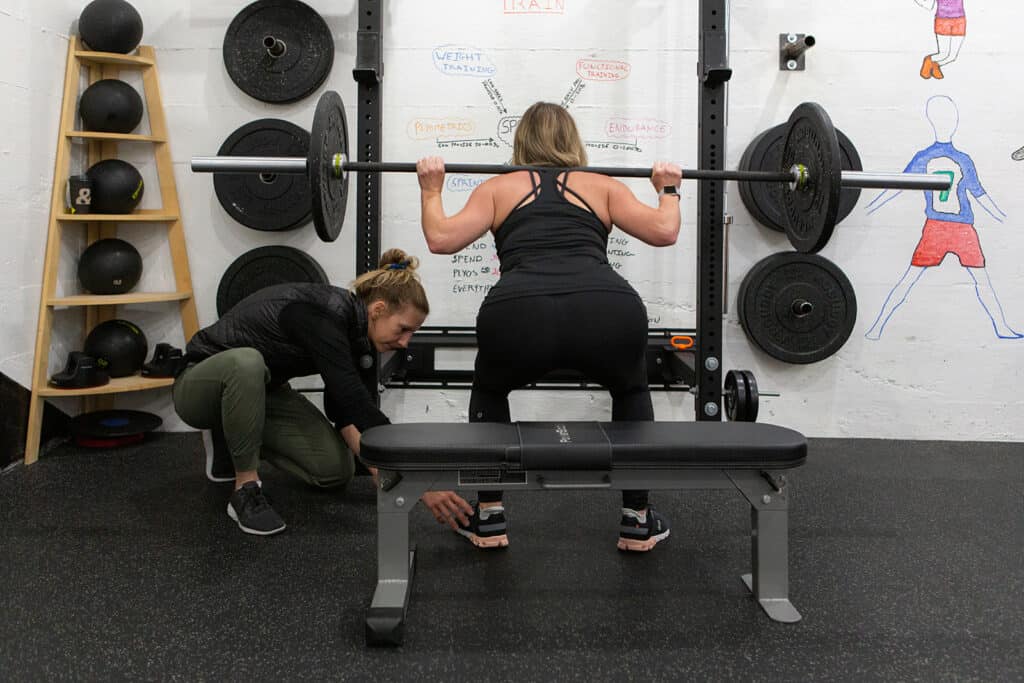
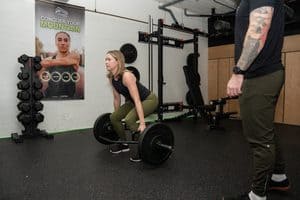
A. Resistance Training (Strength)
- Perimenopause: Aim for 2 sessions per week focusing on compound lifts with moderate-to-heavy loads (lower repetitions, 6–8 sets per muscle group weekly). Studies show moderate-intensity lifting significantly increases fat-free mass, total muscle mass, and muscle thickness.
- Post-Menopause: To stimulate adaptation when hormone levels are low, higher volume or higher intensity resistance exercises (>50% to 75% 1-RM) are recommended.
- General Benefit: Performing resistance or cardiovascular exercise 2–3 times per week reduces hot flashes, insomnia, joint/muscle pain, mood irritability, and night sweats.
B. HIIT and Cardiovascular Conditioning
High-Intensity Interval Training (HIIT) helps decrease overall body weight and visceral fat mass(cycling is often more joint-friendly than running).
Efficiency: 1 minute of vigorous physical activity yields health benefits equivalent to 4–9
minutes of moderate activity or 53–156 minutes of light activity.
Protocol: Perform 3 times per week (12-week consistency) targeting 80–100% peak heart
rate (e.g., 60 seconds work paired with 12–30 seconds recovery).
C. Plyometrics for Bone Mineral Density
High-impact, multidirectional movements stimulate bone building at key sites like the hip, femoral neck, and lumbar spine.
Protocol: 10–100 jumps per day, 3+ days per week (2–3 minutes total).
Progression: Start with two-legged vertical/multidirectional jumps before moving to single-leg bounds or depth jumps. Land with stiff reactivity (“hot plate” landing) rather than deep knee bending to maximize bone-building force.
Medical Options, Nutrition, and Lifestyle Strategies
Hormone Replacement Therapy (HRT) & Medical Treatments
HRT (Estrogen, Progesterone, or Combination): Available as patches, gels, sprays, oral tablets, or vaginal rings.
Women under 60 or within 10 years of menopause onset: The benefit-to-risk balance is overwhelmingly positive for symptom relief, bone protection, and cardiovascular support.
Women over 60: Benefits vs. risks (such as thromboembolic events or coronary heart disease) require individualized discussion with a physician.
Non-Hormonal Options: SSRIs, Gabapentin, and Pregabalin may be prescribed to manage hot flashes and neurological symptoms.
Nutrition & Supplementation
- Protein: Aim for 1 gram of protein per pound of body weight daily to combat sarcopenia and support recovery.
- Creatine Monohydrate: Women naturally store 70–80% less intramuscular creatine than men. Supplementing with 0.1 g/kg of body weight per day combined with strength training helps maintain femoral neck bone density and muscle energy stores.
- Calcium & Vitamin D: Essential daily supplements for bone preservation.
- Dietary Adjustments: Limit alcohol, caffeine, and spicy foods if hot flashes or sleep disruptions are prominent.
Recovery, Sleep, and Stress Management
- Sleep Hygiene: Maintain a cool bedroom temperature (16–18°C) and keep a consistent wind-down routine to offset nighttime hot flashes and support hormone regulation.
- Deload Weeks: Incorporate planned reductions in workout volume and intensity every 4 to 8 weeks—or whenever symptom flare-ups occur—to lower circulating cortisol.
Therapeutic Modalities
- Cold Exposure: Brief cold immersion (water temperature 10–15°C) or saunas can assist with thermal regulation and hot flash symptoms.
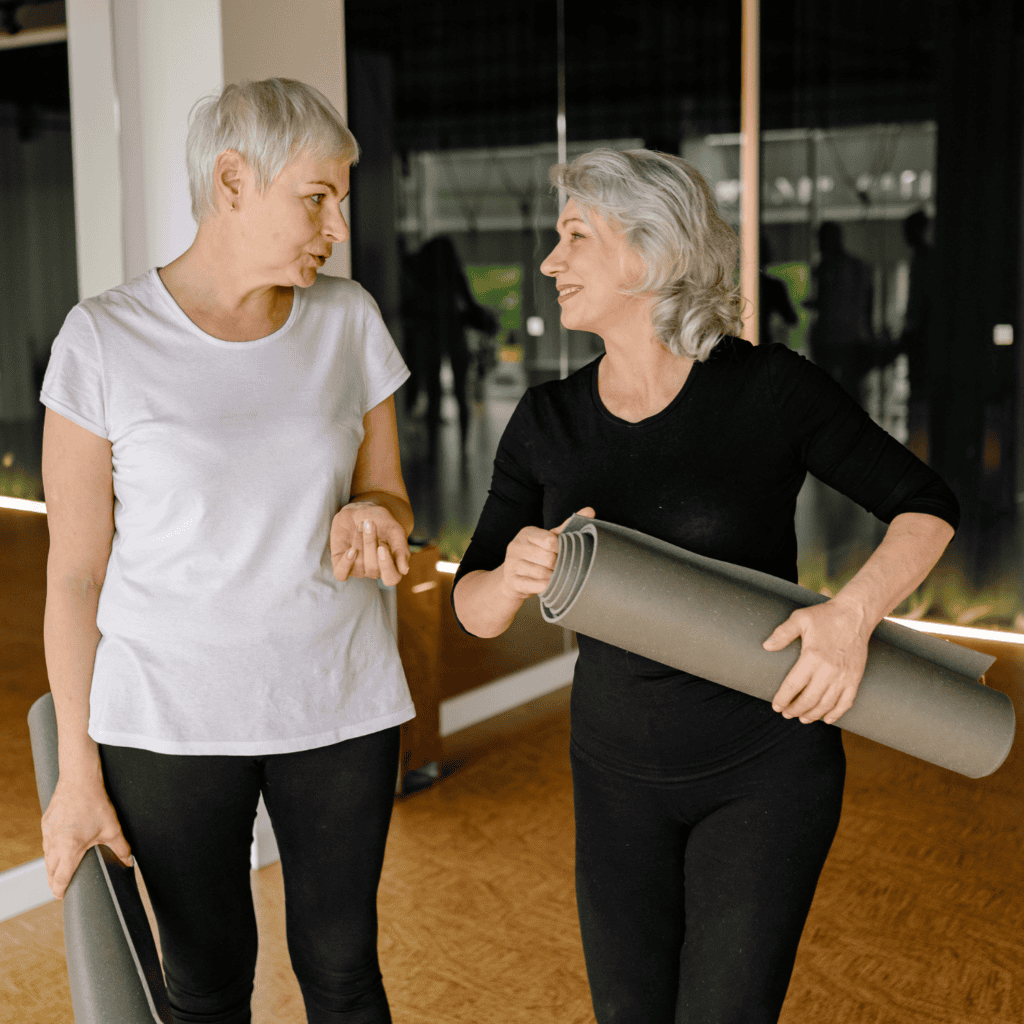
- Yoga: Practicing 60 minutes of yoga 2 times per week for 10 weeks significantly improves psychological, urogenital, and general menopausal complaints.
Takeaways for Your Menopause Journey
- Track your cycle and symptoms early: Perimenopause can begin as early as your mid-30s.
- Prioritize resistance training and protein: Lift weights at moderate-to-heavy intensities to safeguard your muscles, metabolic health, and bones.
- Master your breathwork: Integrate the “zipper” technique to support your pelvic floor during daily activities and heavy lifts.
- Speak with your healthcare provider: Discuss HRT, local estrogen options, or pelvic health physical therapy to tailor a plan that fits your personal health history.
Recommended Resources & Further Reading
For those wanting to dive deeper into physiology, training, and longevity for women, consider these:
- Roar and Next Level by Dr. Stacy Sims, PhD
- Outlive by Dr. Peter Attia
- Hit Play Not Pause Podcast